Nuclear Secrets, Mossad, and the Fallout from Tehran’s Fast-Tracked Justice
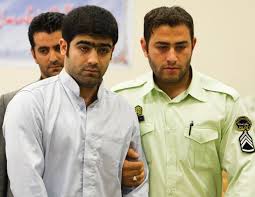
In a dramatic and politically charged development, Iran has executed a man accused of spying for Israel by leaking sensitive information that allegedly led to the death of an Iranian nuclear scientist during the 12-day war with Israel in June 2025.
The man, identified as Roozbeh Vadi, was hanged after what Iranian state media described as a swift judicial process, culminating in his conviction being upheld by the country’s Supreme Court. This move underscores Tehran’s aggressive post-war crackdown on suspected collaborators, as tensions with Israel reach dangerous new levels.
The Charge: Spying for Mossad
Iran Alleges Classified Nuclear Info Was Leaked Online
According to Iran’s judiciary via the Mizan Online portal, Vadi had transferred “classified information” to Israel’s intelligence agency, Mossad, after being recruited online. The leaked intelligence reportedly concerned a nuclear scientist who was later killed during Israel’s military campaign in June.
Mizan stated that Vadi’s cooperation with Israel facilitated the assassination of a top nuclear scientist, a loss that Tehran attributes directly to Israeli aggression. The judiciary, however, did not provide specifics on when Vadi was arrested or when the sentencing occurred — only that it followed proper legal procedure and received the Supreme Court’s confirmation.
Context: A Shadow War Turns Open
The June War Between Israel and Iran Sparked Real-World Spy Hunts
In mid-June 2025, the long-simmering shadow war between Iran and Israel exploded into open conflict. Israel launched a massive and unprecedented bombing campaign, targeting both military and civilian infrastructure in Iran. The assault killed senior IRGC commanders, dozens of nuclear scientists, and hundreds of civilians.
Iran retaliated with ballistic missile and drone strikes, hitting strategic Israeli targets but causing fewer casualties. While international actors called for de-escalation, Tehran shifted inward — determined to root out alleged spies and collaborators that it blames for enabling Israel’s pinpoint attacks.
Authorities have since announced dozens of arrests, accusing suspects of aiding Mossad’s operations. Several alleged spies have already been executed — including Vadi — while others are undergoing what state officials describe as “accelerated” judicial proceedings.
Mossad’s Expanding Digital Playbook
Iran Claims Recruits Were Targeted Through Online Platforms
One alarming aspect of Iran’s narrative is the claim that Mossad’s recruitment efforts have moved online, allowing Israeli agents to lure Iranian citizens into sharing intelligence. The judiciary alleges that Vadi was one such case — recruited through digital channels and ultimately convinced to supply sensitive information.
This aligns with past claims by Iranian officials that Israel has ramped up cyber and psychological warfare, using encrypted platforms and digital payment systems to avoid detection. According to state media, some alleged spies were promised asylum or cryptocurrency payments in exchange for intelligence.
The Human Cost: Scientists in the Crosshairs
Iran Confirms Multiple Nuclear Experts Killed
Iranian outlets report that at least 12 nuclear scientists were killed during the Israeli campaign in June — an unusually high number that suggests Israel was acting on extremely precise intelligence.
Tehran sees the deaths as part of a broader Israeli attempt to sabotage Iran’s nuclear program, particularly its weaponization capabilities. These assassinations, some of which occurred in secure compounds, have sparked outrage inside the Iranian political and scientific community.
In response, Iran has not only promised retaliation against Israel but also intensified internal surveillance of scientists, engineers, and military personnel — particularly those with access to classified projects.
International Backlash and Human Rights Concerns
Rights Groups Slam Iran’s Execution Practices
While Iranian authorities defend the execution as a national security necessity, human rights organizations have raised alarm bells. Groups like Amnesty International and Human Rights Watch have consistently criticized Iran’s use of capital punishment, especially following trials lacking transparency.
According to Amnesty, Iran ranks second only to China in terms of total executions — many of which, they argue, are politically motivated or based on vague national security laws. The fast-tracked sentencing process in spy cases, especially in wartime, further fuels concerns about due process and coerced confessions.
Tehran’s Message: Zero Tolerance for Treason
Executions Signal Deterrence Strategy as Conflict Persists
With this latest execution, Tehran is sending a powerful internal and external message: collaboration with Israel will be met with death. In the eyes of the Iranian regime, wartime treason—especially linked to nuclear security—is not only a crime but a betrayal of national sovereignty.
In speeches following the June war, Iranian leaders have pledged to protect the country from “Zionist infiltration,” vowing mass purges of any individual suspected of endangering Iran’s nuclear or military programs.
These actions, though domestically popular among hardline supporters, risk further international isolation, especially among European governments already wary of Iran’s human rights record.
Broader Implications: Espionage, Executions, and Escalation
A New Phase in the Iran-Israel Cold War
The Vadi execution is not merely a domestic story — it is a strategic maneuver in a broader geopolitical chess match between Iran and Israel. By publicly executing alleged spies, Iran seeks to deter future leaks, galvanize internal loyalty, and escalate the costs for any Israeli operation inside the country.
Meanwhile, Israel has remained silent on the incident — as is typical — but continues to develop its regional alliances and expand cyber capabilities, likely preparing for the next phase in its long campaign against Iran’s nuclear ambitions.
As both countries entrench themselves in asymmetric warfare and information operations, the fallout from this execution may reverberate well beyond Iran’s borders.
A Regime at War, Within and Without
Iran’s decision to execute Roozbeh Vadi reflects the fragile intersection of war, secrecy, and domestic control. With nuclear scientists dying, Mossad allegedly embedding itself deeper, and the regime battling to assert authority post-conflict, Iran is now weaponizing its legal system to send a chilling message.
But as the cycle of retaliation continues — executions inside, assassinations outside — the space for diplomacy grows thinner. And the margin for error, especially in a nuclear-capable Middle East, grows ever more dangerous.

More Stories
From Mushrooms to Murder Plots: The Chilling Case of Erin Patterson
Trump Tipped for Nobel Peace Prize After Cambodia Credits Him With Ending Deadly Border Clash With Thailand
Hezbollah Explodes in Rage as Lebanon Moves to Disarm Militias—Israel Keeps Bombing, US Pulls Strings