Vietnam’s Northern Heatwave Shatters Records: Hanoi Endures Unprecedented 40.3°C August Day
As climate extremes grip Southeast Asia, northern Vietnam is battling a historic heatwave, with 17 locations across seven provinces breaking their all-time August temperature records. The Red River Delta region—including the capital, Hanoi—saw peak temperatures soar above 40°C, prompting rising power demand, disrupted daily life, and growing concern over long-term climate resilience.
This intense heatwave is yet another reminder for business leaders, city planners, and policymakers that climate volatility is no longer a distant risk—it’s a present-day operational challenge.
Hanoi Hits 40.3°C in August: A Historic First
Record Temperatures Across Northern Vietnam
The Vietnam Meteorological and Hydrological Administration (VMHA) confirmed on Tuesday that:
-
Hanoi reached 40.3°C, the highest August temperature ever recorded in the city, surpassing the previous record of 39.8°C set in 2021.
-
16 additional weather stations across northern provinces such as Phu Tho, Lang Son, Tuyen Quang, Bac Ninh, Haiphong, and Ninh Binh also reported new August temperature records.
The Red River Delta—Vietnam’s agricultural and industrial backbone—was hit hardest, with conditions described as “dry and scorching” due to air humidity dropping as low as 52%, according to chief meteorologist Nguyen Van Huong.
“The dryness magnified the heat’s intensity, especially in urban areas like Hanoi,” Huong stated.
Daily Life Grinds to a Halt
Quiet Streets, Fewer Customers, and Outdoor Workers at Risk
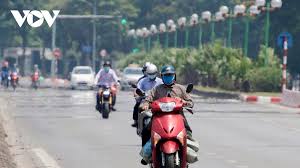
By Tuesday, the normally vibrant streets of Hanoi had gone eerily quiet. Street vendors, construction workers, and even flower sellers reported losses in income, physical exhaustion, and shrinking customer activity.
Voices from the Heat:
-
Ngo Thu Thuy, a 38-year-old flower seller:
“I earn less as no one bothers to buy flowers in this heat. But I still have to try my best to earn my living.”
-
Nam, a construction worker:
“Too many buildings and vehicles have turned Hanoi into a pan on fire.”
Residents were seen covering their bodies head-to-toe, seeking shade, and avoiding unnecessary outdoor movement—drastically altering the city’s rhythm.
Electricity Demand Surges to All-Time Highs
Grid Under Pressure as Air Conditioning Use Skyrockets
As temperatures climbed, so did the strain on Vietnam’s electricity grid. According to Vietnam Electricity (EVN):
-
At 1:28 p.m. on Monday, Hanoi’s power consumption hit an all-time record.
-
Households and offices maximized fan and air conditioner use, pushing the city’s infrastructure close to its capacity.
Resident Insight:
Dang Xuan Huong, an office worker in Hanoi, reflected the urgency of cooling needs:
“I cannot imagine spending the night without air conditioning over the past few days. It’s so strange that we are in August and it is still burning hot.”
What’s Fueling the Extreme Heat?
Climate Change and Urban Heat Islands
While Vietnam often experiences seasonal heat, experts say the intensity and persistence of the current heatwave are directly linked to human-driven climate change.
“Global warming is amplifying regional heatwaves,” noted one meteorologist, “and dense urban zones like Hanoi trap even more heat due to concrete structures and vehicle emissions.”
Urban heat island effect—where city areas become significantly warmer than surrounding rural zones—is particularly strong in Hanoi due to:
-
High-rise buildings
-
Limited green cover
-
High vehicle density
-
Concrete-heavy infrastructure
Business and Operational Impacts
What CEOs and Planners Need to Know
As climate risk becomes more acute, leaders in Vietnam’s manufacturing, agriculture, logistics, and construction sectors are being forced to rethink operational and workforce strategies.
Key Risks and Observations:
-
Decreased worker productivity due to heat stress, especially in outdoor and industrial jobs.
-
Supply chain disruptions from reduced working hours and safety shutdowns.
-
Increased energy costs from sustained air-conditioning and refrigeration needs.
-
Heightened health risks to employees and customers in high-exposure zones.
Action Points for Business Leaders:
-
Implement flexible work hours or remote work options during extreme heat days.
-
Invest in heat-resilient infrastructure and energy-efficient cooling systems.
-
Develop emergency heatwave protocols, including hydration stations and mandatory rest breaks for outdoor workers.
-
Engage with local government on climate adaptation initiatives such as tree planting, rooftop gardens, and shaded public areas.
Government and Meteorological Response
Emergency Forecasts and Temporary Relief in Sight
The Ministry of Agriculture and Environment announced potential cooling rains expected by Tuesday night, which may temporarily lower temperatures. However, long-term mitigation will require multi-sector coordination and public-private investment in climate resilience.
“While short-term relief is expected,” said a ministry spokesperson, “we must plan for these events becoming more frequent.”
Looking Ahead: Climate Resilience Must Be Central to Development
Vietnam’s latest record-breaking heatwave underscores a sobering reality: climate resilience is not optional—it’s a strategic imperative.
As urban centers like Hanoi grow, failure to adapt will result in:
-
More frequent heat-related economic losses
-
Rising public health emergencies
-
Increased migration pressures from rural to urban zones
Strategic Priorities for Policymakers and Private Sector:
-
Accelerate clean energy transitions to reduce emissions.
-
Upgrade national grid infrastructure to handle peak demand loads.
-
Support reforestation and cooling urban design initiatives.
-
Partner with global climate financing entities to strengthen national preparedness.
Heat is the New Normal—Are We Ready?
Hanoi’s historic 40.3°C August high is not just a weather event—it’s a symbol of what the future holds in a warming world. For city planners, CEOs, and community leaders, the takeaway is clear: adaptation must begin now.
The era of “once-in-a-decade” heat events is over. Welcome to the age of annual records.

More Stories
From Mushrooms to Murder Plots: The Chilling Case of Erin Patterson
Trump Tipped for Nobel Peace Prize After Cambodia Credits Him With Ending Deadly Border Clash With Thailand
Hezbollah Explodes in Rage as Lebanon Moves to Disarm Militias—Israel Keeps Bombing, US Pulls Strings