What’s Happening and Why It Matters
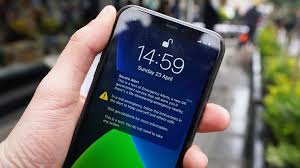
Get ready for another sudden siren blast on your mobile phone. The UK government has announced a second nationwide test of its Emergency Alert System, scheduled for Saturday, 7 September 2025.
Much like the test conducted in April 2023, the upcoming drill will see phones across the UK vibrate and emit a loud alarm for 10 seconds, accompanied by an on-screen message. And no, putting your device on silent won’t help—the alert is designed to override normal settings, ensuring it gets your attention even in do-not-disturb mode.
The alert system is a critical part of the UK’s national resilience strategy, aimed at rapidly warning the public of life-threatening events, such as extreme weather, terror incidents, natural disasters, or chemical hazards.
Key Features of the Emergency Alert System
-
Trigger Date: 7 September 2025
-
Duration: ~10 seconds
-
Alert Type: Loud siren + phone vibration + full-screen message
-
Scope: Nationwide
-
Bypass Mode: Works even if phone is on silent
-
Exclusions: Devices turned off or using 2G/3G will not receive it
According to Pat McFadden, Chancellor of the Duchy of Lancaster:
“Emergency alerts have the potential to save lives, allowing us to share essential information rapidly in emergency situations including extreme storms. Just like the fire alarm in your house, it’s important we test the system so that we know it will work if we need it.”
Lessons from the First Nationwide Test
The UK’s first national alert test in April 2023 was largely successful, but not without hiccups. Some mobile users never received the alarm, prompting a technical review. The issue was later linked to specific mobile networks and devices.
Since then, the Cabinet Office and network operators have worked to fine-tune delivery protocols, ensuring that a larger percentage of users receive the alert this time around.
Real-World Deployments: When the System Saved Lives
Although still new, the Emergency Alert System has already proven its value in several localized emergencies:
1. WWII Bomb in Plymouth
-
Date: February 2025
-
Impact: Alert helped evacuate over 10,000 people
-
Response: Multi-agency coordination during bomb disposal
-
Result: No injuries, operation deemed a success
“This was the first time the system had been used in a real emergency, and it played a vital role,” said Tracey Lee, CEO of Plymouth City Council.
2. Storm Éowyn (Scotland and Northern Ireland)
-
Date: January 2025
-
Recipients: 4.5 million people
-
Purpose: Severe weather warning issued by the Met Office
-
Outcome: Advanced preparation helped prevent casualties
Other uses have included flash flooding alerts in Cumbria and Leicestershire, further underlining the tool’s multi-hazard versatility.
Safeguarding Vulnerable Groups: Domestic Abuse Survivors Included
In a forward-looking step, the government has pledged to pre-notify the public in advance of the September test—particularly to help vulnerable individuals like domestic abuse survivors who may keep hidden phones.
A loud alert could unintentionally expose such devices, placing individuals at risk. Government communications will include clear warnings and instructions on how to disable alerts safely before the test for those who need discretion.
A Global Best Practice
Emergency alert systems are not unique to the UK. Several countries already test these protocols regularly, including:
-
Japan – For tsunamis and earthquakes
-
United States – For hurricanes, AMBER alerts, and national security issues
-
South Korea – Missile threats and disaster events
The UK’s recent integration into this global network marks a major step in public safety modernization.
New Resilience Plan and Biosecurity Update Coming
On the same day as the alert test announcement, McFadden will also unveil the UK’s new Resilience Action Plan, a national framework for:
-
Community emergency preparedness
-
Infrastructure security
-
Crisis communication protocols
-
Individual and household readiness
Ministers will also publish updates on the 2023 Biological Security Strategy, aimed at improving the UK’s ability to respond swiftly to future pandemics, lab leaks, or bioterror threats.
Why It Matters for CEOs and Crisis Leaders
The alert system—and broader national preparedness strategy—has direct implications for corporate leaders, especially those in:
-
Telecommunications: Network readiness and message delivery integrity
-
Retail and Logistics: Emergency response continuity
-
Finance and Insurance: Risk models for natural and man-made hazards
-
Facilities Management: Evacuation and alerting protocols
Being part of community and national readiness will not only help avoid operational disruption but also reinforce corporate social responsibility (CSR) and ESG alignment.
How to Prepare for the September 7 Alert
For individuals:
-
Be aware that your phone will make a loud sound—even if silenced
-
Expect the alert around midday (time TBC)
-
Do not panic—it is only a test
-
If you are at work, inform your employer or clients in advance
For employers:
-
Communicate the alert timing to staff
-
Adjust customer-facing operations (e.g., retail environments, clinics)
-
Consider creating a brief FAQ for employees and customers
-
Ensure security teams and comms managers are informed
A 10-Second Disruption That Could Save Thousands
While some may find the siren intrusive or irritating, it’s worth remembering: emergency alerts are not meant to be convenient—they’re meant to protect.
If used correctly and refined through frequent testing, the UK’s Emergency Alert System could become one of the most powerful public safety tools in an age defined by climate risk, global instability, and rapid crisis escalation.

More Stories
From Mushrooms to Murder Plots: The Chilling Case of Erin Patterson
Trump Tipped for Nobel Peace Prize After Cambodia Credits Him With Ending Deadly Border Clash With Thailand
Hezbollah Explodes in Rage as Lebanon Moves to Disarm Militias—Israel Keeps Bombing, US Pulls Strings