Over 300 Dead as Sectarian Tensions Explode; Ceasefire Brokered Amid Humanitarian Crisis
In a dramatic turn following nearly a week of intense clashes and escalating regional tensions, Israel and Syria have agreed to a ceasefire aimed at ending the bloodshed in Sweida, Syria’s southern Druze heartland. The conflict, which has left over 300 dead and hundreds injured, saw Israeli airstrikes, Syrian troop movements, and a growing humanitarian catastrophe before international actors brokered a truce late Friday.
The ceasefire comes after Israel launched strikes into Syria, citing the need to protect the Druze minority, and after days of fighting between Bedouin fighters and Druze factions triggered fears of wider regional destabilization.
The Flashpoint — Sweida in Flames
Sectarian and Tribal Tensions Erupt
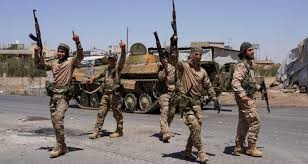
Sweida, a province known for its Druze majority, has been engulfed in violence since clashes broke out on Sunday between Bedouin tribal groups and local Druze factions. The fighting quickly escalated, drawing in Syrian government forces and prompting Israeli military intervention, as Jerusalem vowed to protect Druze civilians from what it described as attacks by jihadist-aligned forces.
The United Nations reported 321 deaths, including women, children, medical workers, and disturbing cases of summary executions. The Syrian Network for Human Rights documented brutal field killings, kidnappings, and multiple violations by all sides.
Meanwhile, local residents endured catastrophic conditions. Electricity, water, and communications were cut, food supplies dwindled, and medical care became inaccessible.
“There’s no food, no fuel, no water — nothing at all,” said Mudar, a 28-year-old resident who spoke under anonymity. “The clashes haven’t stopped, and we’ve been completely cut off.”
Israel’s Bold Military Stance
Airstrikes, Ceasefire, and Druze Solidarity
On Wednesday, Israel launched airstrikes near Damascus and in southern Syria, targeting government forces accused of attacking Druze areas. The strikes came amid rising pressure from Israel’s own Druze community, who demanded protection for their ethnic and religious kin across the border.
Though Israel historically avoids direct military action deep within Syria, officials justified the strikes by labeling the conflict a humanitarian necessity, rather than political intervention. On Friday morning, an Israeli spokesperson announced:
“In light of the ongoing instability in southwest Syria, Israel has agreed to allow limited entry of Syrian internal security forces into Sweida district for the next 48 hours.”
This marked a sharp shift from Israel’s earlier stance, which prohibited any Syrian military presence in the south, citing fears of jihadist infiltration or proxy warfare from Iranian-backed militias.
Diplomatic Pressure and US Mediation
Ceasefire Secured with Regional Backing
The truce was facilitated through US diplomatic channels, with backing from Turkey, Jordan, and other neighboring countries. Tom Barrack, the US ambassador to Turkey, confirmed that both Syria and Israel agreed to halt hostilities. He urged unity among Syria’s fractured ethnic and sectarian groups:
“We call upon Druze, Bedouins, and Sunnis to put down their weapons and together build a new and united Syrian identity.”
While Israel’s strikes drew criticism from Washington, which signaled disapproval of unilateral military actions, US diplomats nonetheless worked to secure the ceasefire and avert broader war.
Syria’s President Ahmed al-Sharaa, who has cautiously sought closer ties with the West, accused Israel of trying to fracture Syria but vowed to protect the Druze minority. In a public address, he pledged to stabilize the south:
“We will restore order in Sweida with a dedicated force and political measures to ensure this never happens again.”
Sweida Still on Edge
Fragile Peace or Delayed Explosion?
Despite the ceasefire, violence continued in the north and west of Sweida province, with Bedouin fighters still entering the region, residents and reporters confirmed. Tensions remain dangerously high, as many fear that the ceasefire is temporary and fragile, not a durable peace.
A convoy of Syrian interior ministry units was seen awaiting entry at Daraa, directly east of Sweida, reportedly awaiting final clearance to enter and enforce calm. Their arrival will be critical in determining whether the ceasefire holds.
Meanwhile, humanitarian agencies have been blocked from entering Sweida due to ongoing instability. The UN Refugee Agency urged all factions to allow safe humanitarian access to deliver food, water, and medical supplies.
The UN High Commissioner for Human Rights also called for an investigation into credible reports of war crimes, including summary executions, unlawful killings, and widespread human rights abuses during the fighting.
Strategic Implications and Regional Fallout
Israel, Syria, and the Power Vacuum
The sudden surge in violence and international reaction underscores a broader regional instability. Israel’s deep distrust of Syria’s new Islamist-aligned interim government remains a flashpoint, even as both countries are pushed to communicate indirectly through international intermediaries.
For Syria, the conflict in Sweida represents both a security challenge and a test of legitimacy. Its ability—or failure—to control armed groups in the south could undermine ongoing efforts to normalize relations with Western powers.
For Israel, the situation spotlights a moral and geopolitical dilemma: protect an ethnic minority across borders or risk being accused of undermining a fragile state. With its Druze community becoming politically vocal, Israel may find itself pulled into more direct engagement in Syria’s south, an area it has long treated as a volatile buffer zone.
Looking Forward: Will the Ceasefire Hold?
The ceasefire may mark a pause in direct conflict, but long-term peace remains elusive. Without real political dialogue among Syria’s ethnic and religious communities—and without accountability for war crimes—any truce risks becoming a temporary bandage on a festering wound.
Key Questions Moving Forward:
-
Will Israel continue military operations if Druze civilians are again targeted?
-
Can Syria’s fragmented leadership restore true stability in Sweida?
-
Will regional powers like Turkey and Jordan continue to support peace frameworks?
-
How can international organizations ensure humanitarian access and justice?
Peace, for Now—But Tensions Remain
The temporary calm in Sweida is a relief to civilians who’ve endured days of terror, deprivation, and loss. But with over 300 dead and hundreds wounded, scars remain deep.
The coming days will determine whether Israel and Syria’s ceasefire was a stepping stone toward peace—or just a pause before renewed conflict.
For now, the world watches and hopes.


More Stories
From Mushrooms to Murder Plots: The Chilling Case of Erin Patterson
Trump Tipped for Nobel Peace Prize After Cambodia Credits Him With Ending Deadly Border Clash With Thailand
Hezbollah Explodes in Rage as Lebanon Moves to Disarm Militias—Israel Keeps Bombing, US Pulls Strings