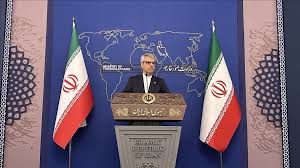
Tehran Denounces “Baseless” Claims as Attempt to Distract From Gaza Crisis
As global attention intensifies around the escalating humanitarian crisis in Gaza, a new geopolitical clash has emerged—this time involving Iran and a coalition of Western powers. On August 1, 2025, Iranian officials launched a fiery rebuttal against accusations leveled by the United States and over a dozen of its allies, which alleged that Tehran had orchestrated overseas assassination and kidnapping attempts targeting dissidents, journalists, and political figures.
In a strongly worded statement, Iranian foreign ministry spokesman Esmaeil Baqaei condemned the charges as “baseless” and part of a broader “Iranophobia campaign” orchestrated to shift public focus away from what he called “the genocide in occupied Palestine.”
Let’s break down the strategic, diplomatic, and media dimensions of this evolving confrontation between Iran and the West.
Western Powers Accuse Iran of Covert International Operations
Joint Statement Alleges Iran Engaged in Kidnapping and Assassination Attempts
In an unprecedented show of unity, Western countries including the United States, United Kingdom, France, Germany, and Canada released a joint statement on July 31, accusing Iran’s intelligence services of waging a coordinated international campaign to kill, kidnap, or harass critics and dissidents residing abroad.
“These services are increasingly collaborating with international criminal organisations to target journalists, dissidents, Jewish citizens, and current and former officials in Europe and North America,” the statement declared.
The Western bloc described these actions as a violation of their national sovereignty and a threat to democratic values and civil liberties. The coordinated condemnation reflects a growing unease among NATO-aligned states over Iran’s international reach and hybrid tactics.
This isn’t the first time such concerns have been raised. In recent years, European intelligence agencies have thwarted multiple alleged plots involving Iranian-linked operatives targeting exiled opposition figures and regime critics.
Tehran Rejects Accusations as “Blatant Fabrications”
Iran Frames Allegations as Diversion from Gaza Crisis
Iran’s response was swift and unyielding.
Foreign Ministry spokesman Esmaeil Baqaei declared:
“These claims are blatant fabrications… designed as part of a malicious Iranophobia campaign aimed at exerting pressure on the great Iranian nation.”
Baqaei framed the allegations not merely as misinformation, but as geopolitical theater—intended to distract from the humanitarian catastrophe unfolding in Gaza, where thousands have been killed or displaced amid a brutal Israeli military campaign.
“It’s an attempt to divert public attention from the most pressing issue of the day, the genocide in occupied Palestine,” Baqaei asserted.
This rhetoric underscores Tehran’s strategy of repositioning itself as a moral authority on the Palestinian cause—a consistent pillar of Iranian foreign policy since 1979, now repurposed to shield against Western diplomatic offensives.
Reading Between the Lines: Strategic Narratives at Play
Iran’s Regional Posturing vs. Western Counterintelligence Fears
At the heart of this standoff lies a broader clash of narratives and global influence.
-
Western framing: Iran is portrayed as a rogue state employing transnational terror and criminal networks to silence dissent—a threat to international norms and Western values.
-
Iranian framing: The West is accused of hypocrisy, colonial complicity, and distraction tactics while enabling Israeli aggression in Gaza.
For Western governments, the alleged assassination plots are more than isolated security threats; they’re evidence of Iran’s broader attempt to export repression across borders. In response, several countries have already imposed sanctions on Iran’s security apparatus.
For Iran, however, this is part of a larger information war, wherein it positions itself as a victim of imperialist bullying and a defender of oppressed Muslims, especially Palestinians.
Global Implications: Diplomatic Fallout and Domestic Optics
Escalating Tensions Could Disrupt Nuclear Talks, Trade, and Sanctions Policy
This war of words has consequences beyond headlines. The escalation risks derailing any prospects of renewed nuclear diplomacy, especially after months of quiet backchannel efforts between Washington and Tehran.
Furthermore, multinational corporations and airlines operating in the Middle East will be closely watching the fallout, wary of increased espionage risk, reputational exposure, or sanctions complications.
Meanwhile, both sides are playing to domestic audiences:
-
Western leaders want to signal strength and vigilance on national security.
-
Iranian officials want to project defiance and ideological clarity amid worsening domestic economic pressures and political dissatisfaction.
What CEOs, Investors, and Policy Strategists Should Watch
1. Sanctions Watch
New sanctions could target Iranian intelligence units, front organizations, or even cyber ops wings. Western investors with exposure to Iran-tied commodities or financial instruments must assess risk rapidly.
2. Middle East Volatility
This flare-up adds to an already volatile Middle East landscape. Multinational firms with interests in aviation, energy, and shipping should revisit contingency plans.
3. Narrative Warfare
This incident is a textbook example of 21st-century geopolitical narrative control. Governments, media, and corporations alike are increasingly involved in managing public perception as much as policy reality.
Beyond Allegations, A Battle for Global Influence
At face value, this is a diplomatic dispute over intelligence operations. But the deeper story is a struggle over moral legitimacy and global alignment. Whether it’s about alleged plots in Paris or the siege of Gaza, both Iran and its Western adversaries are attempting to seize the narrative high ground.
In this high-stakes messaging war, one thing is certain: public perception and international credibility are as valuable as any military or economic asset. Stay alert to changing sanctions regimes, media narratives that affect risk exposure, and possible geopolitical domino effects. The Middle East’s political theatre is becoming a critical factor for global supply chains, financial institutions, and multinational governance.

More Stories
From Mushrooms to Murder Plots: The Chilling Case of Erin Patterson
Trump Tipped for Nobel Peace Prize After Cambodia Credits Him With Ending Deadly Border Clash With Thailand
Hezbollah Explodes in Rage as Lebanon Moves to Disarm Militias—Israel Keeps Bombing, US Pulls Strings