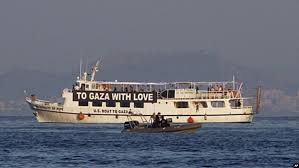
Hunger Strike Launched to Protest Conditions and Detention in Israeli Prison
A group of international humanitarian activists held by Israeli authorities have begun a hunger strike after their aid boat was seized en route to Gaza. The boat, part of the Freedom Flotilla, was stopped by the Israeli navy while attempting to breach the long-standing naval blockade on the Gaza Strip.
The incident has reignited global criticism of Israel’s policies toward Gaza and cast fresh light on the risks humanitarian volunteers face while attempting to deliver aid into the besieged Palestinian territory.
The Freedom Flotilla: A Mission Interrupted
What Happened to the Handala?
The vessel, named Handala, was carrying 21 passengers from 10 different countries, including two French lawmakers and a pair of Al Jazeera journalists. The ship aimed to deliver humanitarian relief and draw attention to what organizers call an “illegal siege” of Gaza.
According to the legal aid organization Adalah, the Israeli navy intercepted the Handala in international waters, forcibly boarding it and transferring all passengers into Israeli custody. The vessel was reportedly attempting to break the blockade — a move Israel considers a violation of its national security policy, despite criticism from international rights groups.
Inside Israeli Custody: Hunger Strike and Alleged Abuse
Legal Hearings, Deportation Orders, and Accusations of Violence
Of the 21 passengers, 14 refused to accept expedited deportation, choosing instead to remain in custody and protest what they call “unlawful detention.” Hearings were held at Givon Prison, where the activists rejected the immigration violation charges brought against them.
“During the hearings, the volunteers stressed that their mission was humanitarian — motivated by the need to act against Israel’s illegal siege and the genocide against Palestinians in Gaza,” Adalah said in a statement.
The group added that the detainees launched an open hunger strike, citing “severe physical violence” against at least one US activist and “poor conditions” inside the detention center.
Despite these testimonies, the tribunal upheld the continued detention of the 14 individuals.
International Reaction and Deportations
Some Released, Others Expelled — Including Lawmakers and Journalists
At least five passengers agreed to be deported. These included one of the two French lawmakers, both Al Jazeera journalists, and two other volunteers. Adalah also confirmed that two passengers with Israeli-American dual citizenship were interrogated and later released.
The Handala incident mirrors a similar one on June 9, when the vessel Madleen — also part of the Freedom Flotilla coalition — was intercepted in international waters by the Israeli navy. That boat carried 12 campaigners, including Swedish climate activist Greta Thunberg, who was later expelled by Israeli authorities.
Legal Gray Zone: Immigration or International Violation?
Adalah Slams Legal Justification as “Unlawful”
Israel is framing the activists’ entry as a matter of immigration violation, arguing that they entered the country without authorization. But Adalah contests this claim, saying the volunteers were forcibly brought to Israel from international waters and should not be subject to Israeli immigration law.
“This is not immigration. This is abduction,” a senior Adalah representative said. “They were on a humanitarian mission in international waters, intercepted by force, and now held as if they chose to enter Israel.”
Human rights organizations are expected to challenge Israel’s interpretation of maritime law, particularly concerning humanitarian vessels in non-Israeli waters.
Gaza’s Humanitarian Crisis: Why the Flotilla Was Sent
Blockade, Bombardment, and Global Response
The activists’ mission was intended to draw attention to Gaza’s worsening humanitarian crisis. The densely populated enclave has been under a strict Israeli-Egyptian blockade since 2007, with sporadic escalations of violence and persistent shortages of food, medicine, and fuel.
The situation has dramatically deteriorated in 2025 due to increased Israeli bombardments and restricted aid entry points. United Nations agencies have repeatedly warned of famine-like conditions and a near-total collapse of Gaza’s healthcare infrastructure.
The Freedom Flotilla aims to provide not just material aid, but symbolic resistance to what organizers term a “policy of collective punishment.”
A Growing International Flashpoint
Diplomats, Journalists, and Activists in the Crosshairs
The presence of lawmakers and journalists among the detained has escalated the diplomatic stakes. French officials have reportedly requested clarification and demanded immediate consular access to their detained MP.
Media watchdog groups have condemned the detention of the Al Jazeera journalists, calling it a violation of press freedom and an attempt to censor humanitarian coverage.
As global attention mounts, international legal experts are now weighing in, with some suggesting Israel may have violated international humanitarian law by intercepting a peaceful civilian mission in international waters.
What Comes Next?
Legal Challenges, More Flotillas, and Diplomatic Fallout
The case is expected to head to international courts, possibly involving maritime law tribunals or UN human rights panels. Meanwhile, the Freedom Flotilla Coalition has vowed to continue its missions, saying that stopping the aid boats only amplifies their message.
More importantly, the activists’ hunger strike could spark a renewed wave of civil resistance, much like previous protests that galvanized global opinion — including the deadly 2010 Israeli raid on the Mavi Marmara, which left 10 Turkish activists dead.
Whether this moment results in greater international accountability or simply another diplomatic deadlock remains to be seen.
Hunger Strike as a Global Statement
The hunger-striking detainees are unlikely to sway Israeli policy singlehandedly. But in an era of 24/7 social media and growing scrutiny of Israeli conduct in Gaza, their symbolic action could mark a tipping point in how the world views humanitarian resistance to the Gaza blockade.
For now, the eyes of the international community are fixed on Givon Prison — and on the fate of those who dared to sail toward a war zone with nothing more than medical aid, conviction, and a message.


More Stories
From Mushrooms to Murder Plots: The Chilling Case of Erin Patterson
Trump Tipped for Nobel Peace Prize After Cambodia Credits Him With Ending Deadly Border Clash With Thailand
Hezbollah Explodes in Rage as Lebanon Moves to Disarm Militias—Israel Keeps Bombing, US Pulls Strings