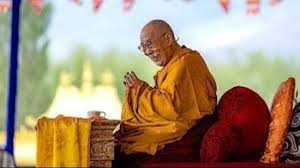
A Leader Defiant in Age and Spirit
At 89, the Dalai Lama is showing no signs of slowing down. During a long-life prayer ceremony held in his honour in Dharamshala, India — his home-in-exile since 1959 — the Tibetan spiritual leader surprised followers and global observers by boldly stating his hope to live beyond 130 years.
“We have lost our country and we live in exile in India, but I have been able to benefit beings quite a lot. So, living here in Dharamshala, I intend to serve beings and the Dharma as much as I can,” said the Dalai Lama.
His comments, delivered to hundreds of followers from across the globe, come just a day ahead of his 90th birthday, adding symbolic weight to his reflections on legacy, faith, and reincarnation.
The Succession Question — Deferred, Again
A Spiritual Strategy or Political Signal?
The Dalai Lama’s remarks arrive amid renewed speculation over his succession, a subject of great political and religious sensitivity, particularly due to China’s aggressive stance on controlling the appointment of his successor.
Beijing claims historical authority over the reincarnation process, arguing that the next Dalai Lama must be approved by the Chinese government — a position rooted in its imperial-era “Golden Urn” tradition.
But the Dalai Lama has repeatedly rejected Beijing’s claims. This week, he reaffirmed that only the Gaden Phodrang Trust, his India-based non-profit institution, holds the sole authority to recognise his reincarnation.
“The recognition of the Dalai Lama’s reincarnation is not China’s business. It’s purely a religious matter,” he said previously.
This latest declaration about living well past 130 may be more than an expression of personal optimism — it’s also a deliberate move to buy time, preserve spiritual autonomy, and maintain stability in the Tibetan exile community.
Living in Exile, Leading in Purpose
From Lhasa to Dharamshala
Born Tenzin Gyatso, the 14th Dalai Lama has lived in exile since 1959, when he fled Tibet following a failed uprising against Chinese rule. Since then, he has transformed the Indian hill town of Dharamshala into the global headquarters of Tibetan Buddhism, and a powerful symbol of resilience.
Despite the hardships of exile, he remains deeply committed to preserving Tibetan culture and promoting Buddhist teachings, while advocating for nonviolence, compassion, and interfaith dialogue.
Faith in Longevity, Backed by Devotion
The long-life prayer ceremony — a revered ritual in Tibetan Buddhism — was more than ceremonial fanfare. It was a spiritual affirmation of the Dalai Lama’s continued role in the community and a public declaration that he is not ready to pass the torch.
While he previously told Reuters he might live until 110, the latest statement stretches that goal further. “I still hope to live for over 130 years,” he told attendees, many visibly emotional.
In Tibetan Buddhist culture, longevity is not just biological — it’s tied to the spiritual merit and karmic purpose of an individual. By expressing his intent to live longer, the Dalai Lama reinforces his spiritual mandate to guide the Tibetan people for as long as possible.
A Battle for the Soul of Tibet
China’s Claims vs Tibetan Autonomy
China’s position on the Dalai Lama’s reincarnation is part of its broader strategy to control Tibetan Buddhism and neutralise its spiritual leader’s influence.
In 1995, Beijing controversially installed its own Panchen Lama — traditionally the second-highest figure in Tibetan Buddhism — after detaining the boy recognized by the Dalai Lama. The episode cast a long shadow on religious freedom and has remained a cautionary tale for Tibetans ever since.
By stressing that he will reincarnate in the “free world,” the Dalai Lama is preemptively rejecting any China-backed successor and asserting the sovereignty of the Tibetan spiritual system.
A Global Icon Beyond Borders
Though he leads a community in exile, the Dalai Lama’s influence spans continents. He has received the Nobel Peace Prize, met world leaders, published dozens of books, and remains one of the most recognizable spiritual figures on Earth.
His message of compassion, mindfulness, and tolerance resonates far beyond Tibet, finding eager audiences across faiths, nations, and generations.
What Comes After 90?
As he turns 90 on July 6, the Dalai Lama shows no signs of retreating from public life. His health, while naturally under watch, appears stable, and his mind remains sharp and often playful.
This long-life ceremony and the promise to live to 130 are a clear message to his people: “Don’t worry about succession — I’m still here.”
Whether he lives to 110, 130, or beyond, the Dalai Lama’s strategy is clear — he intends to control the narrative around his reincarnation, preserve his legacy, and prevent political manipulation of the Tibetan Buddhist tradition.
A Legacy in Progress
The Dalai Lama’s statement about living to 130 is more than wishful thinking. It’s a spiritual assertion, a political signal, and a personal vow. In the face of exile, geopolitical tension, and succession debates, he remains focused on what he has always done best — serving others, teaching dharma, and defying expectations.
As the world watches what may be the final chapters of one of the most remarkable spiritual journeys in modern history, the Dalai Lama reminds us all: “This story isn’t over yet.”

More Stories
From Mushrooms to Murder Plots: The Chilling Case of Erin Patterson
Trump Tipped for Nobel Peace Prize After Cambodia Credits Him With Ending Deadly Border Clash With Thailand
Hezbollah Explodes in Rage as Lebanon Moves to Disarm Militias—Israel Keeps Bombing, US Pulls Strings