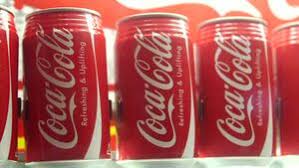
Trump Says Coke Is Ditching Corn Syrup — But Where’s the Confirmation?
In a social media announcement that lit up political and corporate circles, President Donald Trump claimed on Wednesday that Coca-Cola will begin using real cane sugar in its U.S. soft drink production.
“I have been speaking to Coca-Cola about using REAL Cane Sugar in Coke in the United States, and they have agreed to do so,” Trump posted on Truth Social. “This will be a very good move by them—You’ll see. It’s just better!”
While the president touted the move as a win for health-conscious Americans and a blow to high-fructose corn syrup (HFCS), Coca-Cola has yet to confirm the ingredient change. The Atlanta-based beverage giant released a carefully worded statement saying, “We appreciate President Trump’s enthusiasm for our iconic Coca?Cola brand. More details on new innovative offerings within our Coca?Cola product range will be shared soon.”
In other words: no confirmation. Not yet.
Health Politics Meets Big Soda: The RFK Jr. Influence
Trump’s claim aligns with a broader health-focused narrative emerging from within his administration, particularly under Health Secretary Robert F. Kennedy Jr., a vocal critic of HFCS and champion of the “Make America Healthy Again” campaign.
The move—if confirmed—could represent a shift in U.S. food policy and supply chains, nudged not only by Trump’s populist instincts but by RFK Jr.’s growing influence in national health debates.
Critics of HFCS have long blamed the sweetener for America’s obesity crisis, pointing to its mass adoption since the 1970s. But scientific evidence for its uniquely harmful effects remains inconclusive.
A 2022 clinical review found no meaningful differences between HFCS and cane sugar (sucrose) in terms of weight gain or heart health. The only standout? A mild increase in inflammation markers for HFCS consumers. Still, perception matters—especially in the Trump era.
The Business Risk: Rattling the Corn Belt
Any shift away from corn-derived sweeteners could trigger significant economic backlash in Trump’s base.
The Corn Belt—stretching across Midwestern states like Iowa, Nebraska, and Illinois—has been a stronghold of Trump support. These states benefit massively from federal corn subsidies, and high import tariffs have long protected their dominance in the U.S. sweetener market.
HFCS became the industry standard not because it’s healthier or tastier, but because it’s cheaper. Government policy effectively engineered its rise by making corn more profitable than cane sugar.
A forced shift back to cane sugar would disrupt this equilibrium—and challenge a decades-long relationship between Big Corn and Big Soda.
Why Mexican Coke Costs More—and Why Americans Love It
Consumers familiar with “Mexican Coke” may have seen this coming.
Sold in glass bottles and made with cane sugar, Mexican Coca-Cola has long been a cult favorite in U.S. supermarkets. It often commands a price premium and is marketed as offering a more “natural” taste.
This nostalgia-based consumer preference hints at why Trump’s messaging is hitting home: it appeals to both health concerns and brand loyalty.
Whether this translates into mainstream domestic reform, however, depends entirely on Coca-Cola’s actual follow-through.
Structural Sugar Science: Does It Even Matter?
From a biochemical standpoint, HFCS and cane sugar are nearly identical. Both are made up of glucose and fructose. The difference is structural:
-
HFCS: Contains free (unbonded) glucose and fructose in a 55/45 ratio in soft drinks.
-
Sucrose (cane sugar): Chemically bonds the two sugars in a 50/50 ratio.
While the structure slightly alters how the body processes these sugars, clinical data suggests their health effects are broadly similar. That said, in today’s consumer culture, perception often outweighs clinical nuance.
For a president who thrives on brand symbolism, the shift to “real” sugar—whether marginally healthier or not—offers an easy political win.
What About Trump’s Own Coke Habit?
Ironically, the reported shift does not affect Trump’s own beverage of choice: Diet Coke.
Since his return to the White House in January 2025, the president has reinstated the infamous “Diet Coke Button” in the Oval Office—an actual device that summons a chilled, sugar-free can of his favorite drink on demand.
Diet Coke uses aspartame, a non-nutritive sweetener that the World Health Organization’s cancer research arm, IARC, has classified as a “possible carcinogen.”
In other words, while Trump may be pushing America off corn syrup, he’s still sipping a compound that’s increasingly scrutinized for its own risks.
Corporate Strategy or Political Theater?
Coca-Cola’s vague statement leaves room for interpretation. By neither confirming nor denying Trump’s claim, the company may be testing the waters—gauging public and shareholder sentiment before making any formal announcement.
The strategy is classic corporate diplomacy: ride the PR wave without committing to any disruptive supply chain changes until the market signals strong support.
In the meantime, Trump gets a free headline—another example of how he leverages his political megaphone to push culture war narratives that double as economic policy nudges.
Whether it’s railing against woke companies or celebrating “real” sugar, the president continues to fuse branding with governance in a way few leaders have mastered.
Sweet Talk or Real Reform?
At this point, the cane sugar announcement remains a one-sided claim. Coca-Cola’s careful PR language suggests internal deliberation, not decisive action.
But Trump has planted the seed—and if the public responds favorably, the pressure on Coca-Cola to back his statement with action will only increase.
The broader implications? Trump isn’t just reshaping American politics. He’s also stirring up decades-old debates over what’s really in your soda.
Whether it’s health policy, agriculture subsidies, or corporate accountability, one thing is clear: under Trump 2.0, even your soft drink isn’t safe from the culture wars.


More Stories
From Mushrooms to Murder Plots: The Chilling Case of Erin Patterson
Trump Tipped for Nobel Peace Prize After Cambodia Credits Him With Ending Deadly Border Clash With Thailand
Hezbollah Explodes in Rage as Lebanon Moves to Disarm Militias—Israel Keeps Bombing, US Pulls Strings