Boeing Back in Turbulence: MAX 9 Crew Sues for Trauma After Mid-Air Blowout
Four Alaska Airlines flight attendants are suing Boeing over a terrifying mid-air incident involving the 737 MAX 9, accusing the aerospace giant of negligence that left them with lasting physical and emotional scars. The legal action reopens scrutiny of Boeing’s safety culture and revives concerns that had barely settled after the company’s earlier scandals.
A Routine Flight Turned Nightmare
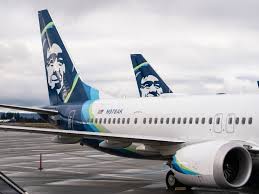
On January 5, 2024, an Alaska Airlines 737 MAX 9 aircraft, designated N704AL, suffered a catastrophic mid-air cabin panel blowout, forcing an emergency landing at Portland International Airport. The event, widely reported at the time, sent shockwaves through the aviation industry, rekindling safety concerns around the MAX line.
Four flight attendants aboard that flight—whose names are being withheld for privacy—have now filed lawsuits in King County Superior Court in Seattle, alleging that Boeing’s actions, or lack thereof, caused them serious harm. According to the suits, the attendants are seeking damages for:
-
Physical injuries
-
Mental and emotional distress
-
Loss of earning capacity
-
Long-term psychological trauma
Their attorney, Tracy Brammeier, emphasized the crew’s bravery under pressure:
“Each of the four flight attendants acted courageously, following their training and putting their passengers’ safety first while fearing for their lives… They deserve to be wholly compensated for this life-altering traumatic experience.”
Allegations of Negligence: “Boeing Knew or Should Have Known”
The central accusation in the lawsuits is that Boeing failed in its duty of care during the production, sale, and maintenance of the 737 MAX jets. The filings claim the company either knew—or should have known—about “quality control issues” plaguing the MAX 9 line.
Key Points in the Lawsuit:
-
Negligent production of the 737 MAX 9 aircraft
-
Failure to install critical safety components
-
Lack of quality control and oversight
-
Inadequate repair and inspection protocols
The flight attendants allege that the panel blowout was not a freak accident but a foreseeable outcome of systemic negligence.
Regulatory Backlash: DOJ and NTSB Enter the Arena
This lawsuit adds fuel to Boeing’s already raging fire. In the months following the MAX 9 incident:
-
The U.S. Department of Justice opened a criminal investigation, determining that Boeing had violated a 2021 deferred prosecution agreement relating to earlier crashes involving the MAX 8 aircraft.
-
The National Transportation Safety Board (NTSB) concluded in July 2025 that Boeing:
-
Failed to install four critical bolts in the affected panel
-
Lacked proper training and guidance protocols
-
Maintained a “deficient safety culture”
-
Was subject to ineffective oversight by the Federal Aviation Administration (FAA)
-
Emotional Trauma: The Invisible Cost
While the technical failures are alarming, the emotional damage suffered by the flight crew forms the heart of the lawsuit.
-
Post-traumatic stress disorder (PTSD) is cited in the filings.
-
Several crew members reportedly continue to suffer from anxiety, sleep disturbances, and flashbacks.
-
There are ongoing therapy and treatment costs, which the plaintiffs argue Boeing should be held responsible for.
These human costs are often overshadowed by the corporate and regulatory drama—but for the people on board, the consequences are deeply personal and lasting.
Boeing and Alaska Airlines: Silent on the Lawsuits
When contacted for comment, Boeing declined to respond, and Alaska Airlines has not issued a statement. Their silence may be strategic—given the pending legal action—but it further fuels public skepticism.
In the absence of public accountability, litigation has become the primary vehicle for holding Boeing to task.
Financial and Reputational Fallout
For Boeing, this lawsuit is more than just another legal headache:
-
It underscores continued reputational erosion for a company once considered the gold standard in aviation.
-
Investors are becoming increasingly wary of recurrent safety issues and regulatory probes.
-
The incident and its aftermath could affect future government contracts and commercial deals, especially as global competitors like Airbus expand their market share.
In the post-COVID, post-grounding era, Boeing’s stakeholders—shareholders, regulators, airlines, and passengers—demand more than just promises. They want proof of change.
The Bigger Picture: Is Boeing’s Safety Culture Broken?
This lawsuit adds to a pattern of deep-rooted structural and cultural issues at Boeing. From the Lion Air and Ethiopian Airlines crashes (both involving MAX 8s) to the current MAX 9 blowout, each incident exposes new cracks in Boeing’s internal systems.
The question facing the company—and regulators—is no longer whether the system is broken, but how quickly and seriously it can be fixed.
For leaders in aviation, manufacturing, and corporate governance, this case offers several critical lessons:
-
Safety cannot be outsourced to regulators—companies must take internal ownership.
-
Employee well-being matters. Trauma—physical or emotional—incurs real financial and legal risk.
-
Transparency beats silence. Boeing’s lack of comment might protect them legally, but it damages public trust.
-
Legal liabilities compound over time. One MAX blowout has now evolved into lawsuits, regulatory backlash, and investor scrutiny.
-
Culture eats compliance for breakfast. Without a shift in Boeing’s safety culture, technical compliance will not be enough.
One Blowout, Many Cracks
The Alaska Airlines crew lawsuit is more than just a legal fight—it’s a symbol of the widening gap between Boeing’s promises and its delivery. As the company braces for a drawn-out legal and regulatory storm, CEOs across industries should take note: one preventable failure can trigger years of fallout.

More Stories
From Mushrooms to Murder Plots: The Chilling Case of Erin Patterson
Trump Tipped for Nobel Peace Prize After Cambodia Credits Him With Ending Deadly Border Clash With Thailand
Hezbollah Explodes in Rage as Lebanon Moves to Disarm Militias—Israel Keeps Bombing, US Pulls Strings