Air India Tragedy Triggers Global Aviation Alarm
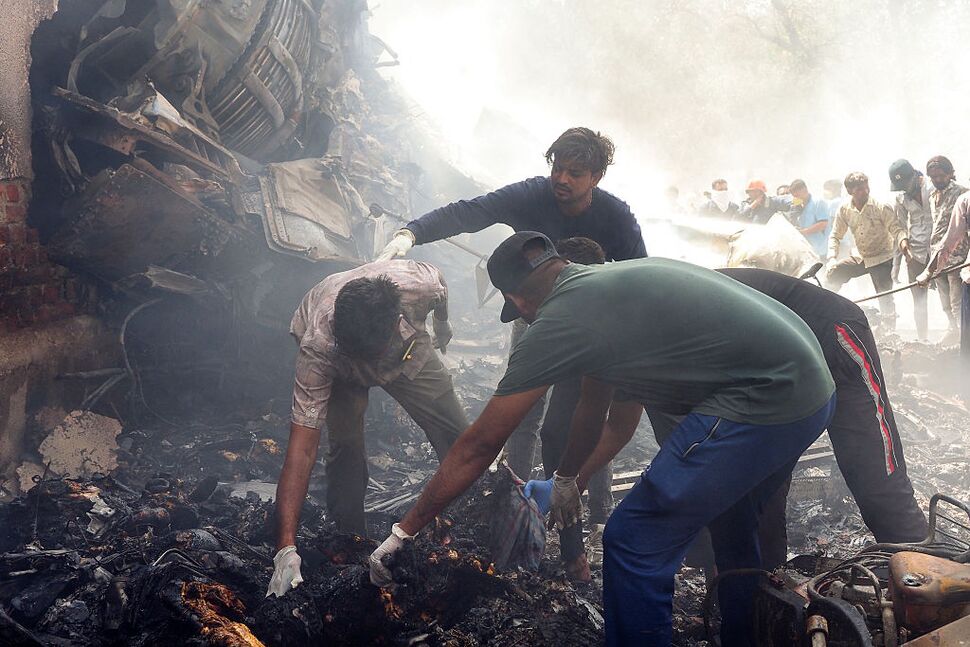
In one of the deadliest aviation disasters in recent memory, an Air India Boeing 787 Dreamliner crashed moments after take-off from Ahmedabad on Thursday, killing over 265 people, including passengers, crew, and individuals on the ground.
The crash has sent shockwaves across the global aviation industry, but US transportation officials confirmed there is no immediate reason to ground the Boeing 787 fleet worldwide.
As investigations intensify, the Federal Aviation Administration (FAA), the National Transportation Safety Board (NTSB), Boeing, and GE Aerospace are collaborating with Indian authorities to uncover the cause of the tragedy.
FAA and NTSB: No Basis to Ground the Boeing 787 — Yet
Caution Over Premature Conclusions
At a high-level press conference, US Transportation Secretary Sean Duffy and Acting FAA Administrator Chris Rocheleau emphasized caution.
Duffy confirmed that preliminary footage and data analysis do not currently suggest a systemic safety flaw in the Boeing 787 Dreamliner.
“Right now, it would be premature to ground the fleet based on video clips or initial reports,” Duffy said. “We must let the on-ground investigation unfold and follow the facts to ensure passenger safety.”
Rocheleau added that the FAA will not hesitate to act if any risk to public safety emerges during the investigation.
US Mobilizes Aviation Experts to Support India
Full US Cooperation in Air India Crash Investigation
The United States has deployed a specialized aviation team to Ahmedabad to support Indian authorities and gather technical data from the crash site.
Transportation Secretary Duffy reaffirmed America’s readiness to send additional resources:
“We stand ready to provide further expert support as needed. This is a top priority because, as always, safety is paramount.”
Both the FAA and NTSB are working closely with Boeing and GE Aerospace, the manufacturer of the aircraft’s engines, to analyze maintenance records, flight data, and potential contributing factors.
Boeing’s 787 Dreamliner: Safety Record Under New Scrutiny
No Immediate Evidence of Systemic Failure
The Boeing 787 Dreamliner, widely regarded as one of the most advanced long-haul aircraft, now faces intensified scrutiny.
While the aircraft has had a strong safety record over its years of operation, the scale of this disaster has triggered calls from some quarters for a precautionary grounding of the fleet.
However, US aviation officials have made it clear that no systemic issue with the aircraft type has been identified.
Duffy stressed that decisions to ground entire fleets should only be made based on solid technical evidence, not public speculation:
“We will not make sweeping decisions based on social media videos. Investigators need time to collect black box data, assess maintenance logs, and inspect the wreckage in detail.”
Crash Details: A Catastrophic Take-Off Failure
Air India Flight to London Plunges Into Hostel Building
The ill-fated Air India flight, bound for London, crashed just seconds after take-off from Ahmedabad’s Sardar Vallabhbhai Patel International Airport.
The Boeing 787 plummeted into a government hospital hostel near the airport, leading to the deaths of at least 265 people, including passengers, crew, and dozens of people on the ground.
Eyewitness reports describe a horrifying scene, with plumes of smoke and fire engulfing the crash site almost instantly.
Deadliest Plane Crash in a Decade
This tragedy is now being described as the deadliest aviation accident globally in the last ten years.
Authorities fear the final death toll may rise as search and rescue teams continue operations amid the rubble.
FAA, Boeing, GE: Coordinated Global Investigation
All Eyes on Black Box Data
FAA Administrator Rocheleau confirmed that the black box and cockpit voice recorder will be central to understanding what went wrong.
The FAA is working with Boeing and GE Aerospace to determine whether the issue stemmed from the aircraft, its engines, or external factors.
GE Aerospace has dispatched its own team to inspect the engines, as experts probe whether a mechanical failure contributed to the crash.
Possible Focus Areas for Investigators:
-
Flight control system malfunction
-
Engine failure or anomalies
-
Maintenance lapses or undetected technical issues
-
Environmental factors like bird strikes or foreign object ingestion
-
Pilot error or procedural missteps
Officials have warned against jumping to conclusions until hard data from the flight recorders and crash site inspection are fully analyzed.
US Leadership: Commitment to Aviation Safety
Safety First, Grounding If Necessary
Both Secretary Duffy and Acting FAA Administrator Rocheleau emphasized that passenger safety remains the top priority.
If the investigation uncovers any safety concerns, the US will act swiftly to mitigate risks, including potentially grounding the aircraft type.
“We will not hesitate to implement any safety recommendations that may arise,” Duffy said. “Our approach is simple: Follow the facts and prioritize safety above all else.”
US President Offers Support, Condolences
Trump’s Statement on the Tragedy
US President Donald Trump expressed deep condolences to India and offered full support for the ongoing investigation.
“It’s a big country, a strong country. They’ll handle it, I’m sure,” Trump said. “I’ve let them know that anything we can do, we’ll be there immediately.”
The President’s comments underscore the strong US-India aviation partnership and America’s readiness to provide resources and expertise.
Flights Continue, But Watchful Eyes Remain
Boeing 787 Operations Proceed Globally
Despite the crash, the Boeing 787 Dreamliner fleet remains in operation worldwide. US officials have reiterated that flights will continue unless the investigation produces evidence that justifies grounding the aircraft.
Travelers scheduled to fly on the Boeing 787 can expect normal flight operations to proceed in the near term.
However, aviation authorities, airlines, and manufacturers are maintaining heightened vigilance as the investigation progresses.
A Defining Moment for Aviation Safety
The tragic Air India crash in Ahmedabad is now a critical test for Boeing, the FAA, and global aviation regulators.
With the loss of over 265 lives, this disaster has reignited conversations about aircraft safety protocols, manufacturing accountability, and the decision-making process around fleet groundings.
As investigators on both sides of the globe work to uncover the truth, US officials are walking a fine line between urgency and responsibility.
The coming days will be pivotal. If safety flaws emerge, the world could see rapid regulatory action. If not, the Boeing 787 may continue to fly with renewed scrutiny but retained trust.

More Stories
From Mushrooms to Murder Plots: The Chilling Case of Erin Patterson
Trump Tipped for Nobel Peace Prize After Cambodia Credits Him With Ending Deadly Border Clash With Thailand
Hezbollah Explodes in Rage as Lebanon Moves to Disarm Militias—Israel Keeps Bombing, US Pulls Strings